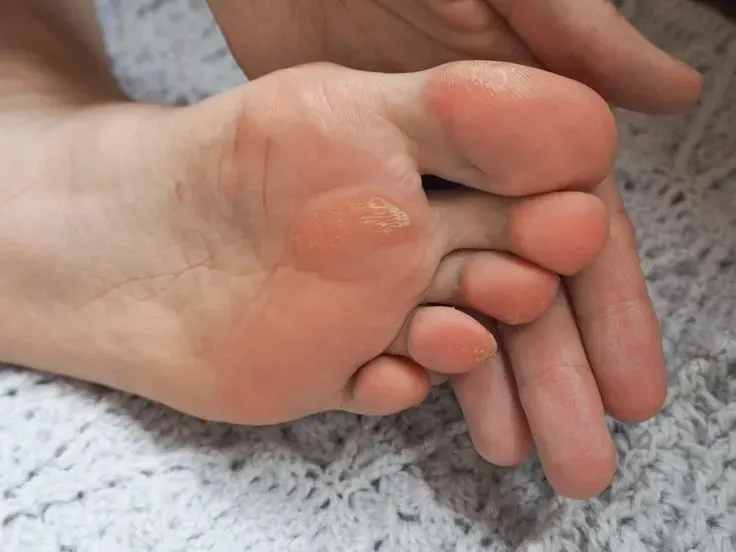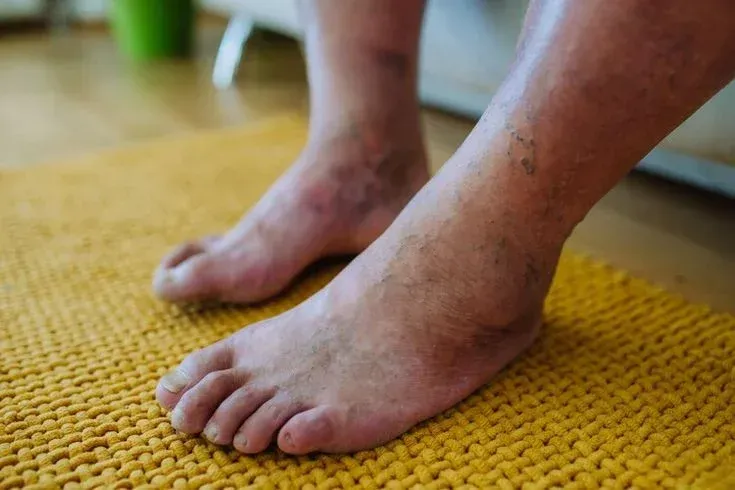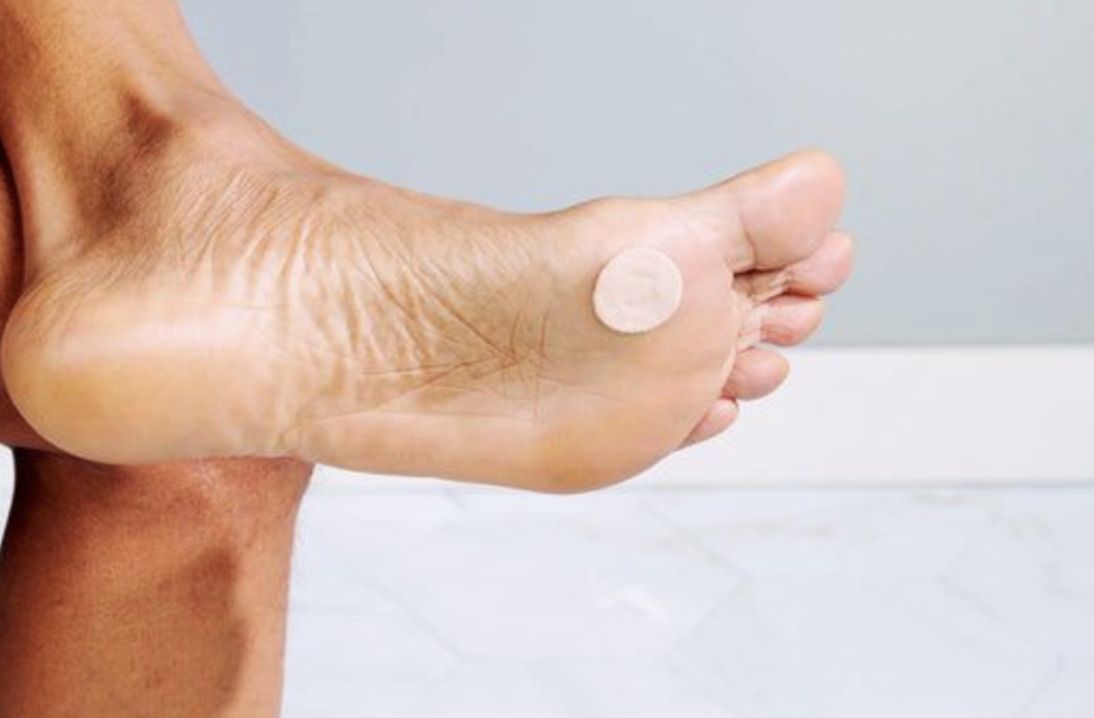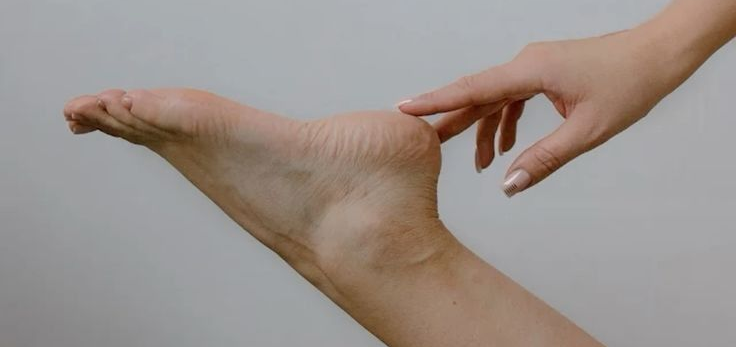
Heel fissures occur when the skin around the heel becomes too dry and thick to stretch properly, causing it to split. Although common, they can become painful without the right treatment. Here’s what contributes to them and how you can manage the condition safely.
Common Triggers for Heel Fissures
- Dryness and reduced skin flexibility: Some people naturally produce less moisture in their skin, while others become dehydrated due to weather, lifestyle or ageing. Dry, rigid skin can’t absorb pressure well and is more likely to crack.
- Footwear choices: Open-backed shoes: like slides, thongs, sandals and even being barefoot force the heel to expand sideways when walking. These forces, combined with warm weather and long hours on your feet, can lead to callus build-up and cracking.
- Inherited traits: A tendency toward drier, harder skin is often genetic, making certain individuals more vulnerable to fissures.
- Hormonal factors: Changes in hormones can disrupt the skin’s natural moisture-retaining abilities, increasing roughness.
Signs You Should See a Podiatrist
Professional care is recommended if you notice:
- Severe or painful splitting
- Bleeding or deep cracks
- Infection symptoms (redness, warmth, discharge)
- No improvement despite home treatment
- Additional health conditions such as diabetes or vascular issues
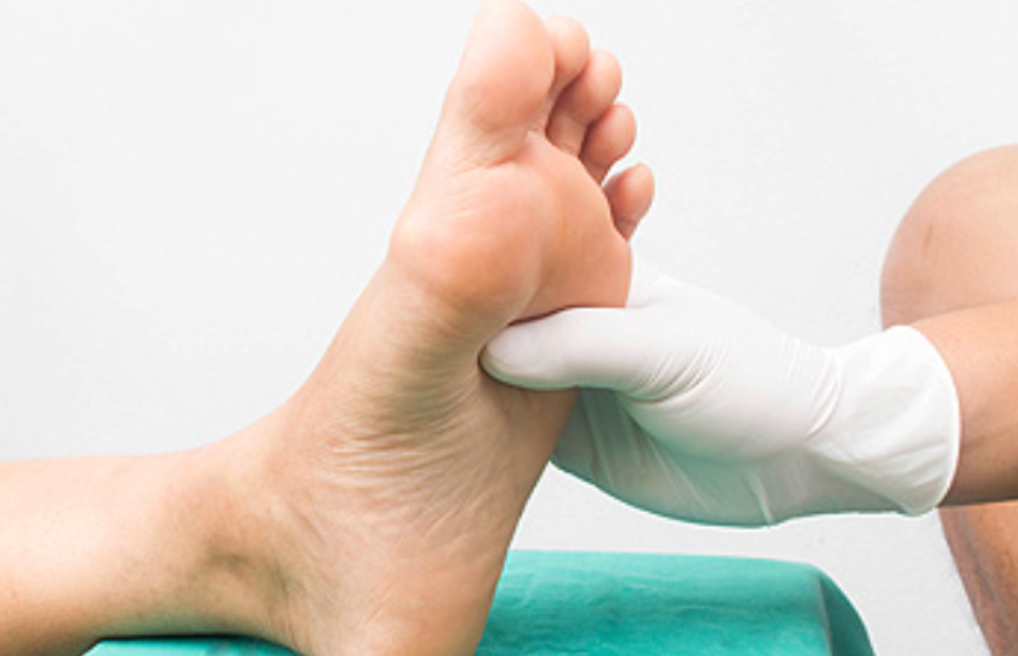
A podiatrist can treat the fissures and guide you through ongoing prevention.
Treatment Approaches
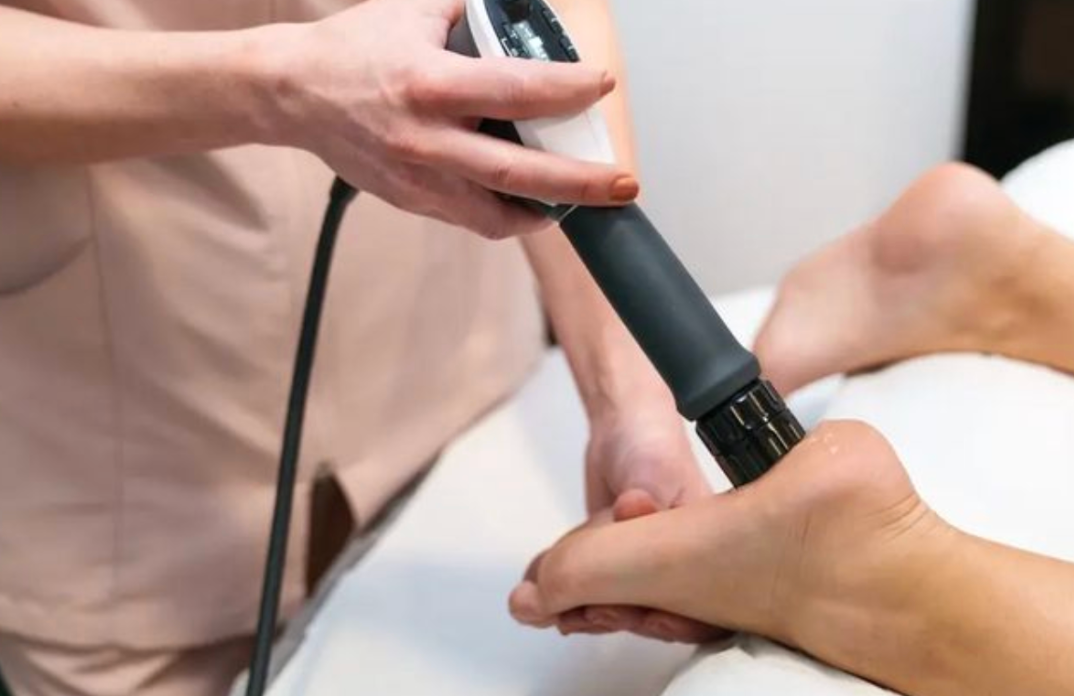
1. Professional Reduction of Callus: Removing compacted hard skin helps relieve pressure and encourages moisturisers to absorb effectively.
2. Consistent Use of Urea Cream: Choose a heel cream containing 15-40% urea. Urea restores moisture, softens tough skin and assists in rebuilding the skin’s protective barrier. This may be used short-term or as part of ongoing foot care.
3. Enhanced Hydration With Occlusion: When standard moisturising isn’t enough, occlusion can help.
Steps:
- Massage your usual heel balm into the skin.
- Add another generous layer over the heels.
- Place the feet inside a plastic bag.
- Leave for up to two hours.
- Use weekly or whenever extra hydration is required.
4. Wet Wrap Technique:
A more intensive option involving cream plus damp socks worn overnight. Always ask your podiatrist how to apply this safely.
Preventing Future Cracks
Footwear plays the biggest role. Enclosed shoes reduce heel movement and protect the skin from friction and pressure. If you prefer open shoes, your podiatrist can help tailor a plan that balances your lifestyle with effective prevention strategies.
To learn more about the medical causes and presentation of heel fissures,
DermNet provides a clear and comprehensive overview.