Not all plantar warts require the same treatment. The best approach depends on factors such as pain level, immune status, activity demands and previous treatment attempts.
Understanding your options can help you make an informed decision.
Should You Treat a Plantar Wart?
Some plantar warts resolve naturally without intervention. This is more common in children than adults. However, treatment may be recommended if:
- The wart is painful
- It is spreading
- It interferes with walking or sport
- It has persisted for several months
Treatment Pathways Explained
Conservative (Low Discomfort) Options
Topical Salicylic Acid Treatments: These treatments gradually break down wart tissue. Consistency is key, often requiring daily application for 8 weeks or more.
Silver Nitrate Therapy: Applied in-clinic after debridement, this method removes layers progressively with minimal discomfort.
Moderate Intensity Options
Cryotherapy (Freezing): Often combined with other therapies, freezing damages wart tissue. Some blistering and short-term soreness may occur.
Advanced Options for Stubborn Warts
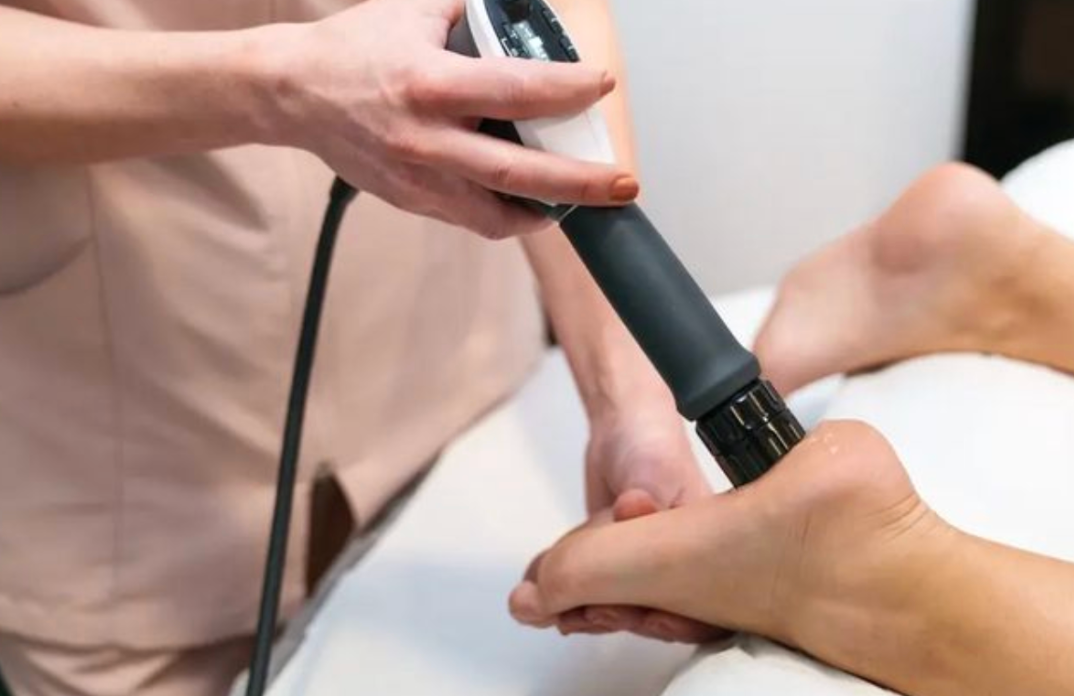
Microwave Therapy: Targets the wart internally while stimulating immune recognition. No downtime is required, making it ideal for active individuals.
Falknor’s Needling: Performed under anaesthetic, this method disrupts wart tissue to prompt immune clearance. Research into Falkner’s needling has shown encouraging results, with many patients experiencing complete clearance after just one treatment session.
Why Immune Health Matters
According to the British Association of Dermatologists, plantar warts often clear on their own, but treatment outcomes can be less predictable in people with weakened immune systems.
The immune system plays a crucial role in wart resolution. If immunity is reduced, treatment response may be slower. Zinc supplementation may be recommended in resistant cases, provided dosing is appropriate and medically supervised.
When to Pause Treatment
If three separate treatment methods have failed, taking a short break may improve immune response before restarting therapy.
If your plantar wart isn’t improving or you’re unsure which option is suitable, book in with us at Merewether Podiatry or New Lambton Podiatry for expert advice and personalised treatment planning.