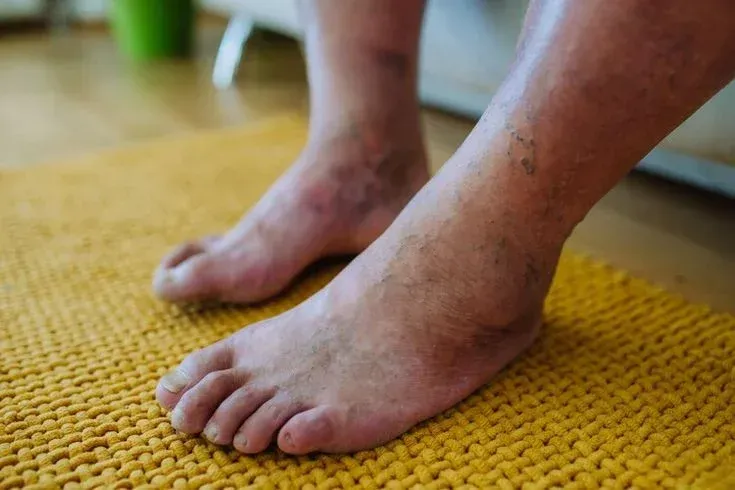
Foot complications are one of the most serious yet preventable complications associated with diabetes. Changes to sensation and circulation can occur gradually, often without obvious symptoms in the early stages.
Because of this, regular foot monitoring is essential for people living with diabetes.

The Link Between Diabetes and Foot Complications
High blood sugar levels over time can affect both the nerves and blood vessels in the feet.
When nerves become damaged, sensation may decrease. This means injuries such as cuts, burns or pressure sores can go unnoticed.
At the same time, poor circulation may slow healing and reduce the body’s ability to recover from even minor wounds.
Diabetes-related foot complications can include:
- Ulcers
- Infection
- Skin breakdown
- Increased risk of amputation in severe cases
The Australian Diabetes Society highlights that regular foot screening is important in identifying risks early and reducing preventable complications.
What Happens During a Diabetic Foot Check?
A podiatrist can perform a comprehensive diabetic foot assessment to evaluate your foot health and identify potential risks.
This assessment may include:
- Checking circulation in the feet
- Sensation testing
- Assessing pressure areas
- Evaluating footwear
- Identifying skin or nail concerns
- Determining overall foot risk level
Technology such as Doppler ultrasound and toe pressure testing may also be used to assess blood flow.
Why Early Detection Is So Important
Many diabetic foot complications begin with small changes that are easy to overlook. Early detection allows treatment and preventative strategies to begin before more serious problems develop.
Routine podiatry care can help:
- Reduce pressure areas
- Identify circulation changes early
- Monitor sensation loss
- Improve preventative foot care habits
Protecting Your Foot Health
Simple daily habits can make a significant difference:
- Inspect your feet regularly
- Keep skin moisturised
- Wear properly fitted footwear
- Avoid walking barefoot
- Seek advice for cuts or wounds promptly
When to Book an Assessment
If you have diabetes, regular foot assessments should form part of your ongoing healthcare routine, even if you are not currently experiencing symptoms. If you notice changes in sensation, wounds that are slow to heal or signs of infection, professional assessment is recommended as soon as possible.
Foot complications associated with diabetes are often preventable with early detection and ongoing management. Booking regular podiatry assessments can help identify risks early and support long-term foot health and mobility.