Foot Health and Diabetes: Why Prevention Matters
June 18, 2026

The connection between foot health and diabetes is often underestimated, yet it plays a significant role in overall wellbeing. For people living with diabetes, looking after their feet is an important part of preventing complications and maintaining an active, independent lifestyle.


Diabetes can affect many systems within the body, including the nerves and blood vessels that support healthy feet. Over time, elevated blood glucose levels may lead to reduced circulation and nerve damage, increasing the risk of foot-related problems. Understanding how diabetes affects the feet can help individuals take proactive steps to protect their long-term health. This is important to detect problems early and to prevent ulcers and other complications. Read more insights here.


How Diabetes Can Affect Your Feet


One of the most common complications associated with diabetes is peripheral neuropathy. This condition occurs when high blood sugar levels damage the nerves, often causing numbness, tingling, or reduced sensation in the feet.


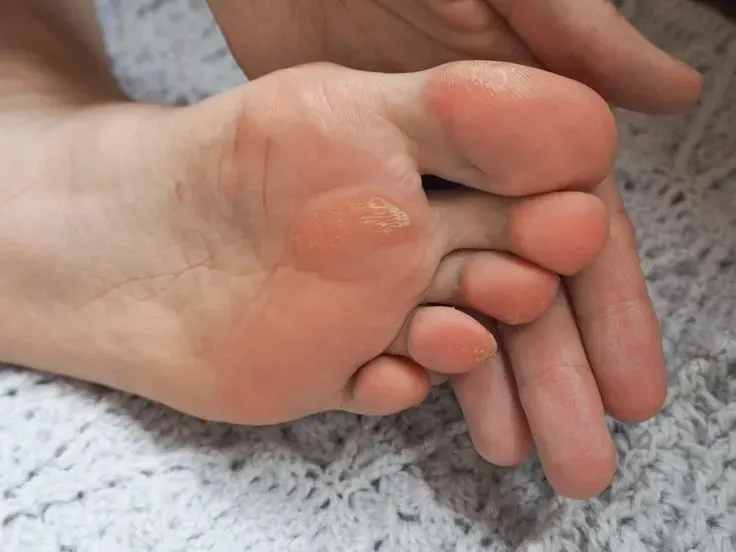
When feeling is reduced, cuts, blisters, and other injuries may go unnoticed. Without early treatment, minor issues can develop into more serious concerns that require professional care.


Circulation can also be affected by diabetes. Reduced blood flow means wounds may heal more slowly, increasing the risk of infection and other complications. This is why understanding the relationship between foot health and diabetes is so important.


Common Foot Problems Linked to Diabetes


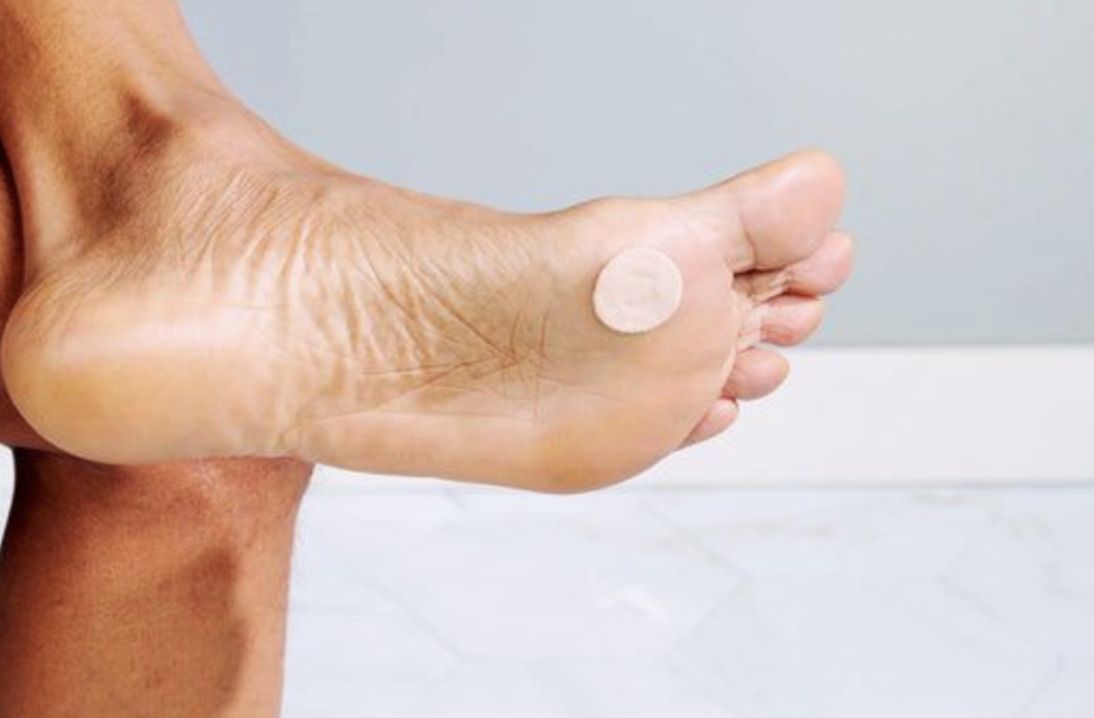
People living with diabetes may be more vulnerable to a range of foot conditions. Dry skin, cracked heels, fungal infections, corns, calluses, and ingrown toenails are all common concerns.

Foot ulcers are among the more serious complications that can develop. These wounds often occur when pressure, friction, or injury goes unnoticed and healing is delayed. If left untreated, ulcers can lead to infection and more complex health issues.


The good news is that many of these conditions can be prevented or managed effectively through regular monitoring and professional care.


Why Regular Podiatry Care Matters


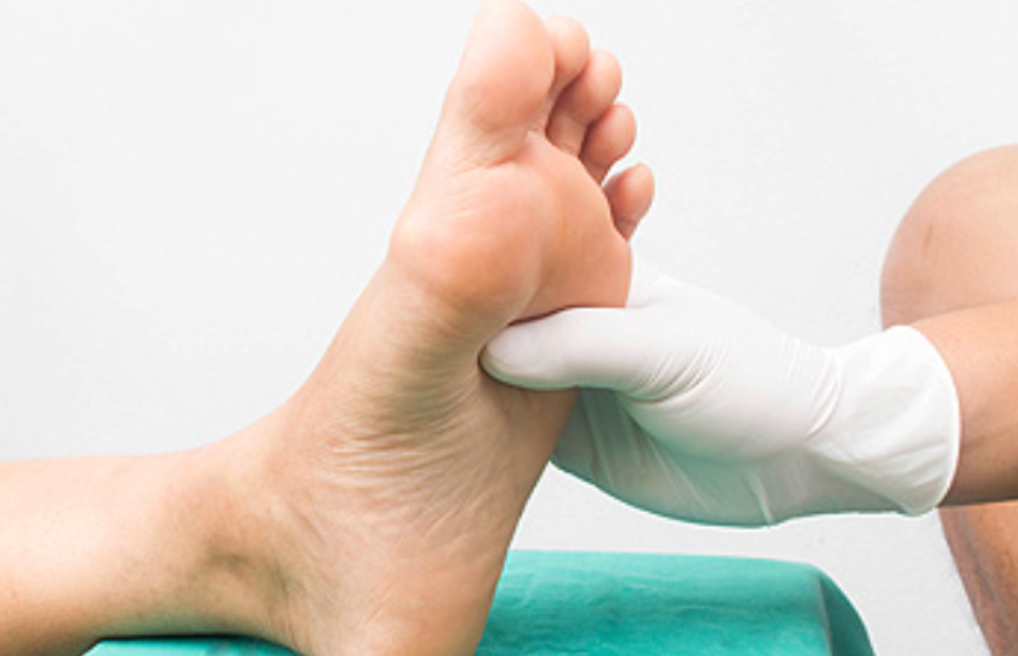
Professional podiatry care plays an important role in supporting foot health and diabetes. Regular assessments allow a podiatrist to monitor circulation, nerve function, skin condition, and overall foot health.

These appointments help identify potential concerns before they become serious problems. Early intervention can reduce the risk of complications and support better long-term outcomes.


Podiatrists can also provide advice on nail care, skin health, footwear, and preventative strategies tailored to your individual needs.


Everyday Tips for Healthy Feet


Maintaining healthy feet starts with simple daily habits. Checking your feet each day for cuts, blisters, swelling, redness, or changes in skin colour can help identify concerns early.


Keeping your feet clean and dry is equally important. Applying moisturiser can help prevent dry, cracked skin, while avoiding walking barefoot can reduce the risk of accidental injury. Choosing the right footwear is another essential part of managing foot health and diabetes. Well-fitting shoes provide support and protection while reducing pressure points that can lead to skin damage. See Diabetes Australia for more tips on Healthy feet


Protecting Your Foot Health for the Future


Looking after your feet is an important part of living well with diabetes. By understanding the connection between foot health and diabetes, individuals can take practical steps to reduce their risk of complications and maintain their quality of life.


Regular podiatry assessments, healthy footwear choices, and daily foot checks all contribute to healthier feet and better overall wellbeing. If you are living with diabetes, taking a proactive approach today can help protect your feet, mobility, and independence for years to come.


Your feet do a lot for you—give them the care they deserve.

Visit our website to book an appointment with our podiatry team today.

Book Now
Best Treatment for Plantar Warts | Which Option Is Right for You?
By Vesna Nova February 26, 2026
Unsure how to treat a plantar wart? Learn the differences between cryotherapy, microwave therapy, needling and topical treatments.
Plantar Warts on the Feet | Causes, Spread & Prevention
By Vesna Nova January 18, 2026
Plantar warts are contagious viral lesions caused by the HPV. Learn how they spread, why they persist and how podiatry care can help.
Heel Fissures Explained: Causes, Care & Long-Term Prevention
By Laurence Schuberth December 11, 2025
Heel fissures occur when the skin around the heel becomes too dry and thick to stretch properly, causing it to split. Although common, they can become painful without the right treatment. Here’s what contributes to them and how you can manage the condition safely. Common Triggers for Heel Fissures Dryness and reduced skin flexibility: Some people naturally produce less moisture in their skin, while others become dehydrated due to weather, lifestyle or ageing. Dry, rigid skin can’t absorb pressure well and is more likely to crack. Footwear choices: Open-backed shoes: like slides, thongs, sandals and even being barefoot force the heel to expand sideways when walking. These forces, combined with warm weather and long hours on your feet, can lead to callus build-up and cracking. Inherited traits: A tendency toward drier, harder skin is often genetic, making certain individuals more vulnerable to fissures. Hormonal factors: Changes in hormones can disrupt the skin’s natural moisture-retaining abilities, increasing roughness.
Summer Foot Care: How to Keep Your Feet Healthy When the Weather Heats Up
By Vesna Nova November 14, 2025
Summer is the season when foot issues tend to flare. With hot days, increased sweating and more time spent in open, unsupportive footwear, it’s no surprise that blisters, cracked heels and fungal infections become more common. The good news? Most warm-weather foot problems can be prevented with a few proactive steps. The Most Common Summer Foot Conditions Blisters Sweaty skin rubbing against sandals or unlined shoes leads to irritation and fluid-filled blisters. Even short walks can cause them when friction is high. Fungal infections (tinea + fungal nails) Fungi thrive in warm, moist environments, meaning sweaty shoes, pool areas and public change rooms become hotspots in summer. Cracked heels Exposure to air and heat causes the skin to lose moisture quickly. Open-back shoes like thongs and slides also encourage friction and pressure buildup, making the heels hard and prone to splitting. Foot odour Closed shoes + summer sweat = trapped moisture, which causes odour and increases the risk of infection.
Footprints in sand symbolising relief after successful ingrown toenail treatment.
By Laurence Schuberth October 16, 2025
Learn everything you need to know about ingrown toenails - causes, symptoms, treatment options, and how to prevent them from coming back.
Modern podiatrist clinic setting with a professional environment symbolising expert foot care.
By Laurence Schuberth October 15, 2025
Visit our trusted podiatrist clinic for expert foot care, pain relief and personalised treatment plans to keep you moving comfortably every day.
Team of podiatrists at a Newcastle clinic providing foot care, orthotics, injury rehab, and podiatry
By Laurence Schuberth August 19, 2025
Visit our Newcastle Podiatrist Clinic for expert foot care, orthotics, injury rehab, and general podiatry services for all ages. Book your first appointment today.
 Podiatry services being provided during a routine foot care appointment
By Laurence Schuberth August 14, 2025
Discover how podiatry services reduce fall risk in older adults through foot assessments, gait analysis, proper footwear and chronic condition management.
Child podiatrist in Newcastle assessing a young patient’s feet to check for flat feet, toe walking,
By Laurence Schuberth August 12, 2025
Wondering if your child needs a podiatrist? Discover 8 signs to look for, including flat feet, toe walking, heel pain, and growing pains. Newcastle Podiatrist Clinic offers expert care for kids of all ages.
Custom orthotics being fitted by a podiatrist in Newcastle to support foot alignment and relieve pai
By Laurence Schuberth August 1, 2025
Discover when you need orthotics, the difference between custom and prefabricated options, and how they help with foot, knee, hip, and back pain. Learn about fitting, performance benefits, and when to review your orthotics at our Newcastle podiatry clinic.