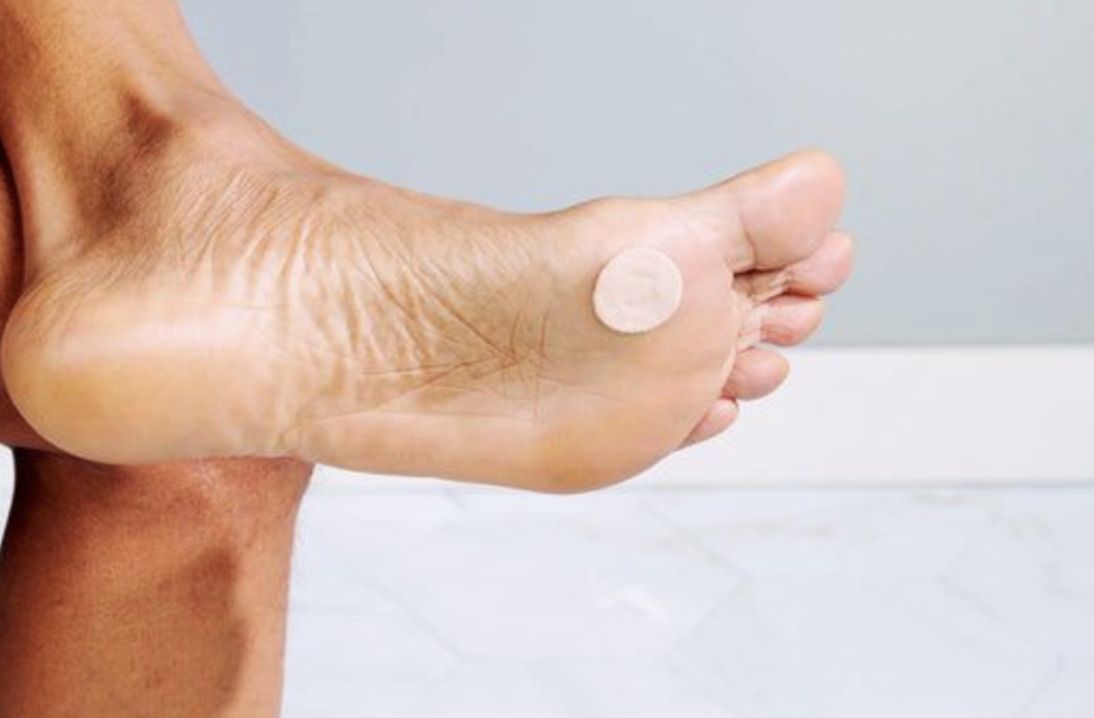
Plantar fasciitis and heel pain are among the most common causes of persistent foot discomfort. While many cases improve with rest, stretching and supportive footwear, some become chronic and difficult to treat.
In these situations, shockwave therapy may be recommended as an advanced treatment option.
What Is Shockwave Therapy?
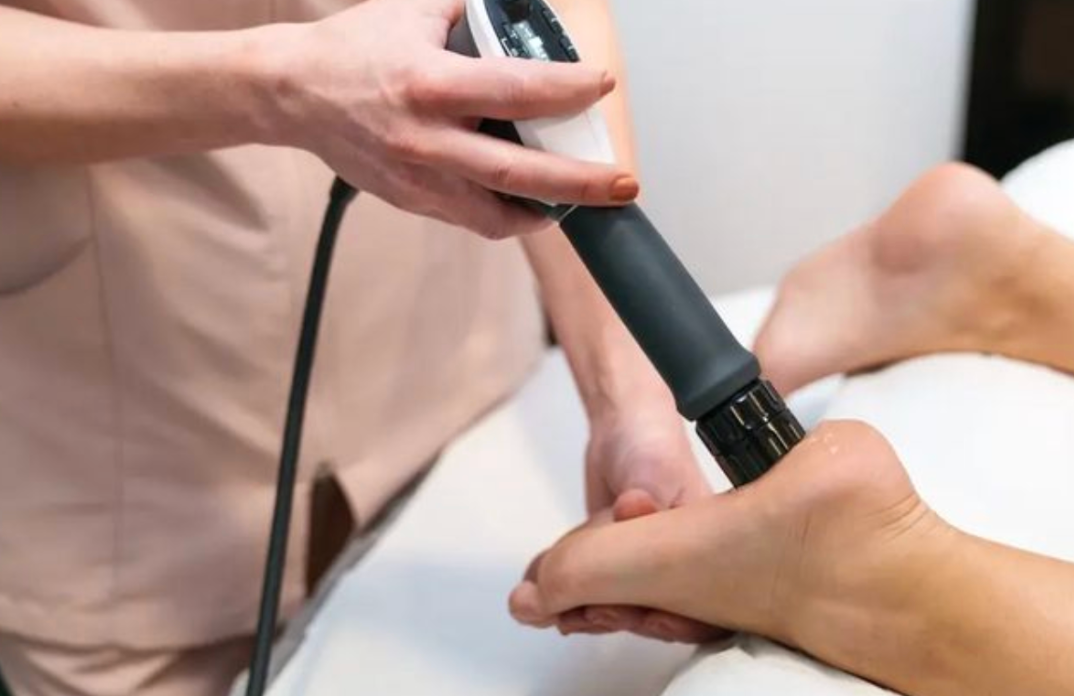
Shockwave therapy is a non-surgical treatment that uses acoustic sound waves to stimulate healing in injured tissue. It targets the underlying cause of pain rather than just masking symptoms.
Why Is It Used for Heel Pain?
Conditions like plantar fasciitis often involve:
- Micro-tears in tissue
- Poor blood supply
- Chronic inflammation
Shockwave therapy works by stimulating circulation and encouraging tissue repair, helping the body recover more effectively.
What Does the Treatment Involve?
During treatment:
- A handheld device delivers targeted sound waves to the painful area
- Each session is short (around 5 minutes per area)
- A series of treatments is usually required
Patients may feel mild to moderate discomfort, but this is generally well tolerated.
Benefits of Shockwave Therapy
Shockwave therapy offers several advantages:
- Non-invasive (no surgery required)
- Quick treatment sessions
- Minimal downtime
- Targets underlying tissue damage
It is often used when standard treatments haven’t resolved symptoms.
How Effective Is It?
Research shows that shockwave therapy can be effective in reducing pain and improving function in conditions like plantar fasciitis and Achilles tendinopathy.
It is particularly beneficial for chronic cases that have not responded to other treatments. Learn more by reading this resource from the National Library of Medicine.
When Should You Seek Treatment?
You may benefit from shockwave therapy if:
- Heel pain has lasted more than 3–6 months
- Symptoms are limiting your activity
- Other treatments haven’t worked
Next Steps
If you’re dealing with ongoing heel pain, a podiatry assessment can help determine the best treatment approach.
Shockwave therapy may be recommended as part of a broader management plan tailored to your condition.