Common Winter Foot Problems (And How to Prevent Them)
Common Winter Foot Problems (And How to Prevent Them)
Winter doesn't just change the weather—it also changes the way we care for our feet. Spending months in enclosed footwear, combined with colder temperatures and dry indoor heating, creates the perfect conditions for a range of common foot problems.
Understanding why these issues develop can help you prevent them before they become painful or begin affecting your daily activities.
Cracked Heels
Dry, cracked heels are one of the most common complaints during winter.
Cold air contains less moisture, while heaters and fireplaces dry the air inside our homes. Together, they leave the skin on your feet dehydrated. As your heels become drier, they lose their natural flexibility and can split under the pressure of walking.
Small cracks may simply feel rough, but deeper heel fissures can become painful and even increase the risk of infection.
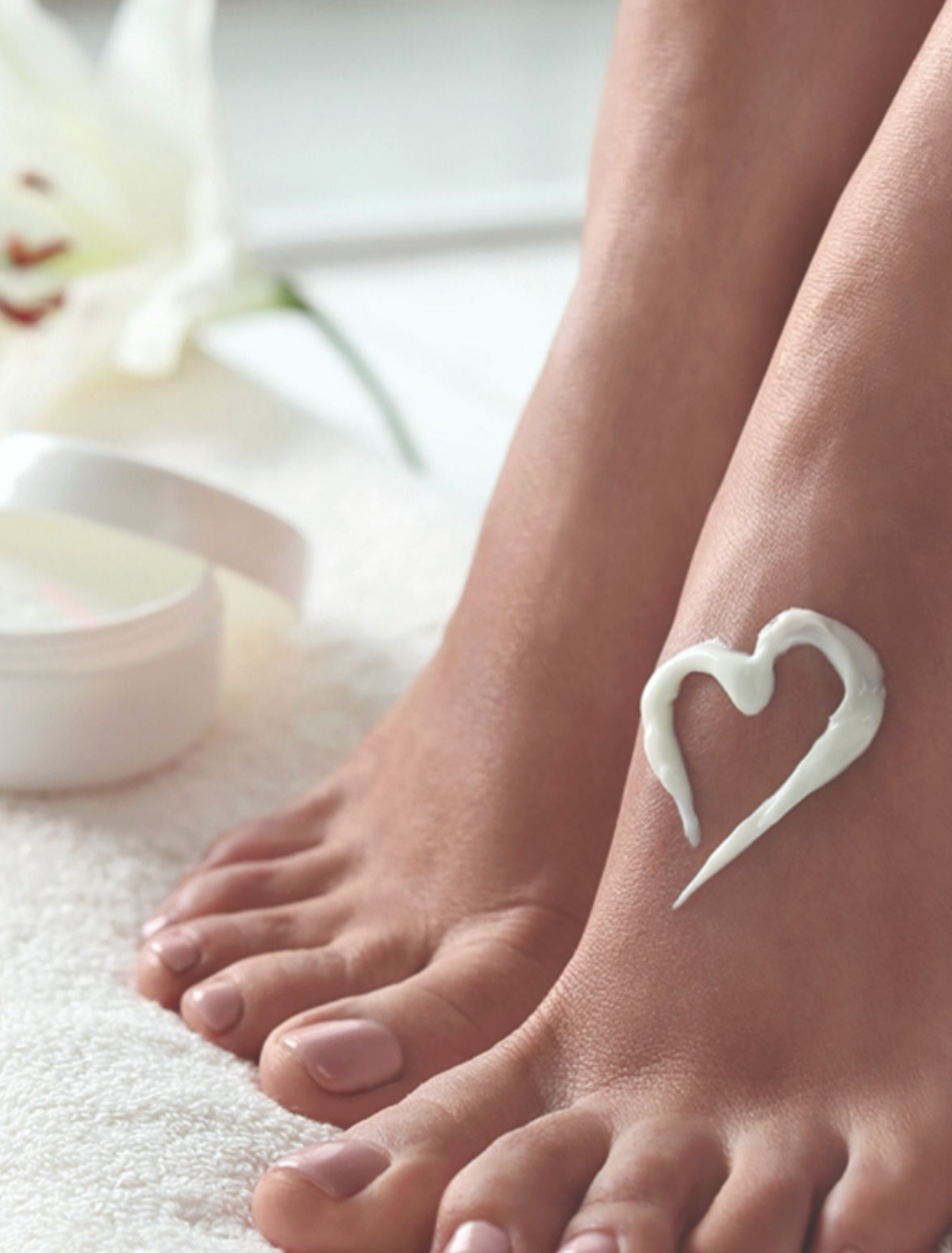
The best way to prevent cracked heels is by applying a urea-based foot cream every day. Urea penetrates thick skin more effectively than regular moisturisers, helping restore moisture before cracks develop. Learn more.
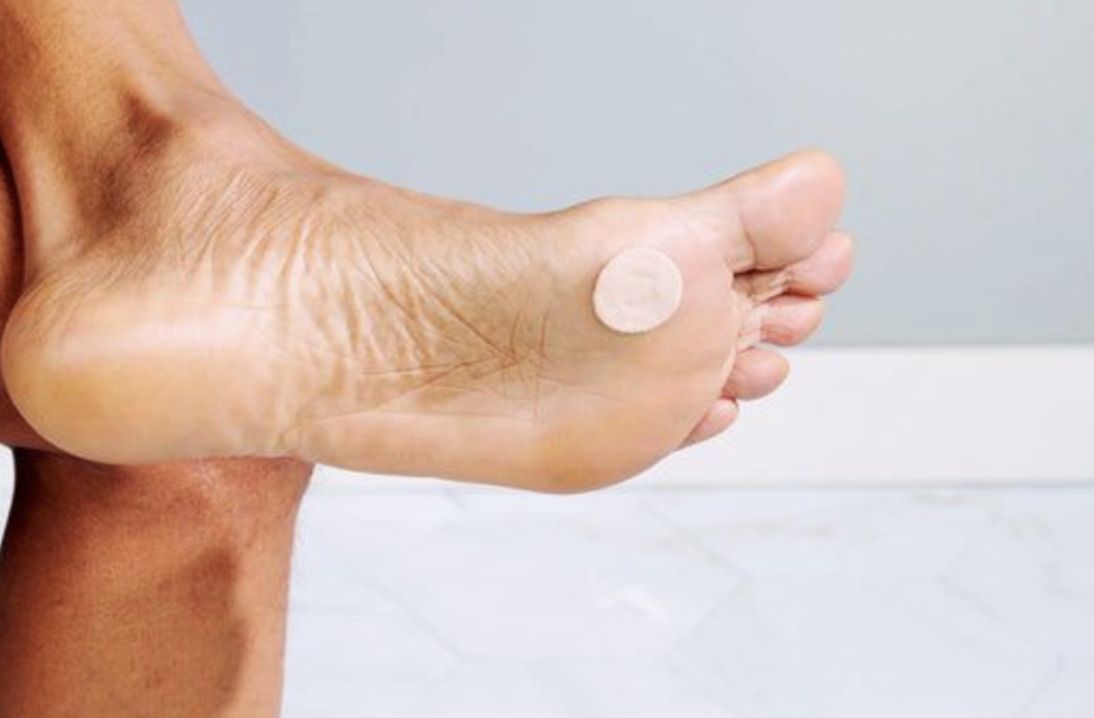
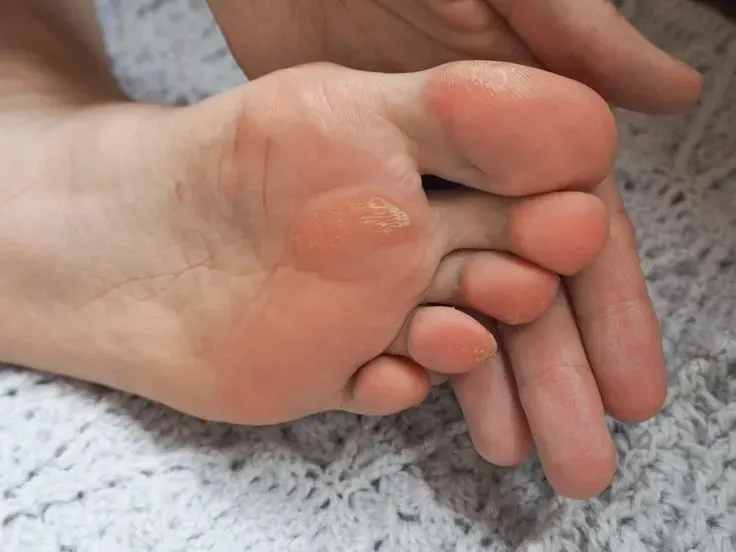
Corns and Calluses
Winter footwear is another common cause of foot discomfort.
Shoes that are too tight or don't provide enough room around the toes create repeated pressure and rubbing. In response, the skin thickens to protect itself, forming corns and calluses.
Although this is your body's natural defence mechanism, these areas of hard skin can become painful over time.
Choosing properly fitted shoes with adequate width, depth and toe room is the simplest way to reduce pressure and prevent them from developing.
Chilblains
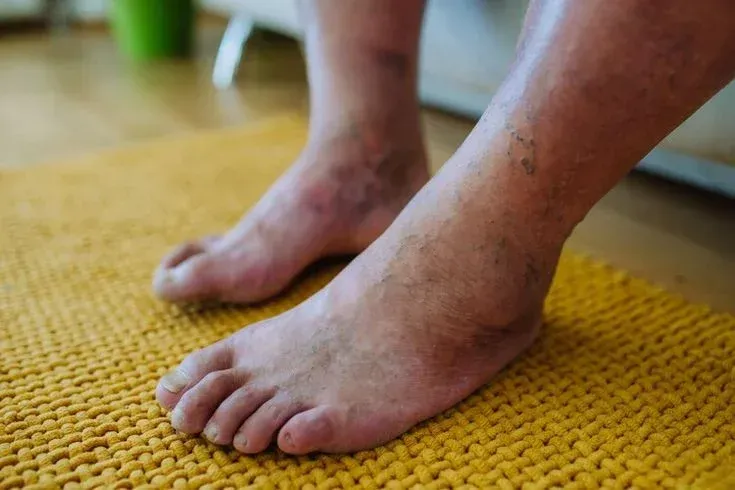
Chilblains are another condition that becomes much more common during winter. They appear as small, itchy, swollen red or purple patches, usually on the toes or heels. Many people believe they're caused simply by being cold, but the real trigger is warming cold feet too quickly.
When exposed to cold weather, the small blood vessels near the surface of the skin constrict. If you place your cold feet directly in front of a heater or into very hot water, those vessels expand rapidly, causing inflammation that leads to itching, burning and swelling.
To reduce your risk of chilblains, warm your feet gradually, keep your whole body warm and wear moisture-wicking socks made from wool or bamboo rather than cotton. Learn everything you need to know about Chilblains.
Don't Ignore Early Signs
Many winter foot problems begin with small changes that are easy to dismiss. Dry skin, slight rubbing inside your shoes or mild discomfort may seem insignificant, but these issues can quickly worsen if they're ignored.
Checking your feet regularly allows you to notice changes before they become painful or require more extensive treatment.
When Should You See a Podiatrist?
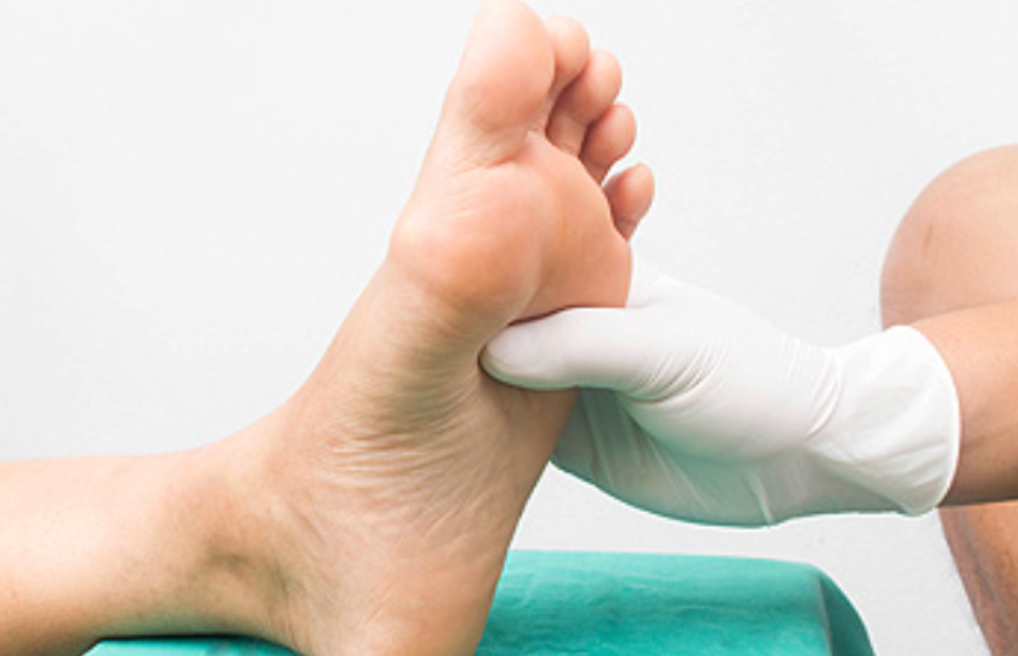
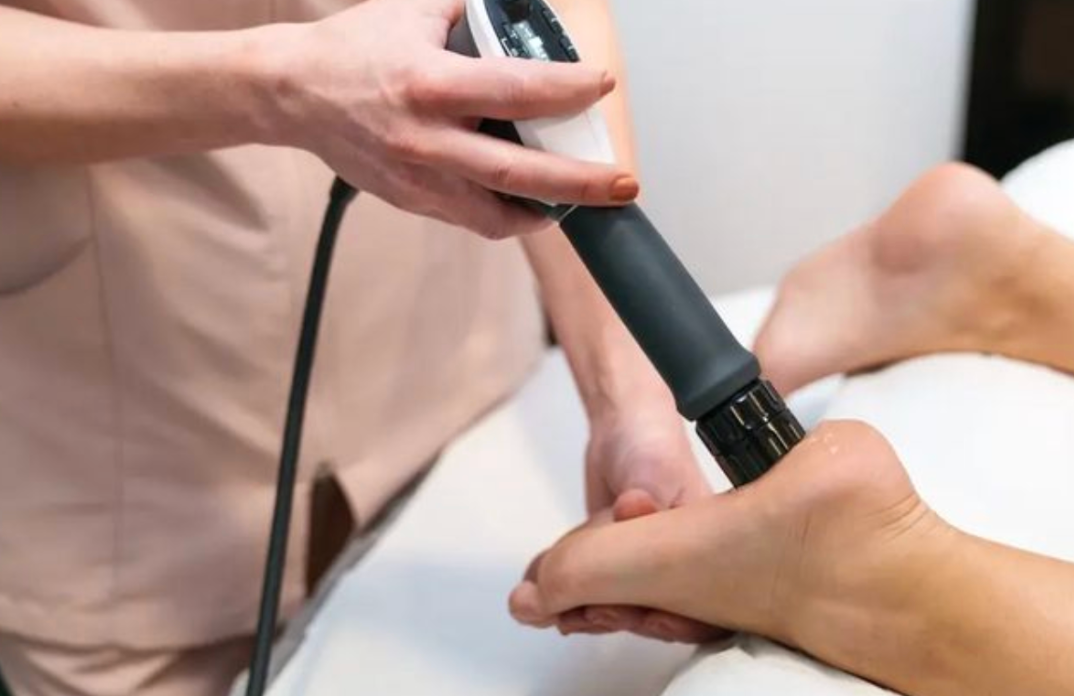
While many winter foot problems can be prevented with good daily care, some require professional treatment.
If you notice painful corns, persistent cracked heels, recurring chillblains or discomfort that isn't improving with home care, it's worth booking an appointment with your podiatrist.
Early treatment can relieve pain, prevent complications and help keep you active throughout winter.
Keep Your Feet Comfortable This Winter
Winter doesn't have to mean sore or uncomfortable feet. By understanding the most common seasonal foot problems and taking simple preventative steps, you can reduce your risk of cracked heels, corns, calluses and chillblains.
A little extra care during the colder months can make all the difference, helping you stay comfortable, mobile and ready to enjoy everything winter has to offer. If you're concerned about your foot health, your podiatrist can provide personalised advice and treatment to keep your feet in great condition all season long.
Keep Your Feet Healthy This Winter
If you're experiencing dry, cracked heels, painful corns or any other foot concerns this winter, we're here to help. Our experienced podiatrists can assess your feet, provide tailored treatment and offer practical advice to keep you comfortable all season long.
Book an appointment with our team today and give your feet the care they deserve this winter.