Summer Foot Health: Protect Your Feet Around Pools and Change Rooms
October 6, 2026

Summer Foot Health: Protect Your Feet Around Pools and Change Rooms
Calluses on the ball of the foot caused by pressure from enclosed footwear during winter.

Summer usually means more time in and around swimming pools, beaches and other communal spaces. Whether you're heading to the local pool, taking the kids swimming or spending the day at the beach, going barefoot can feel like the most natural thing to do.


But warm, damp environments such as public pools and change rooms can also create the right conditions for certain foot problems. Two of the most common concerns are fungal infections and plantar warts, both of which can be picked up when walking barefoot in communal wet areas.


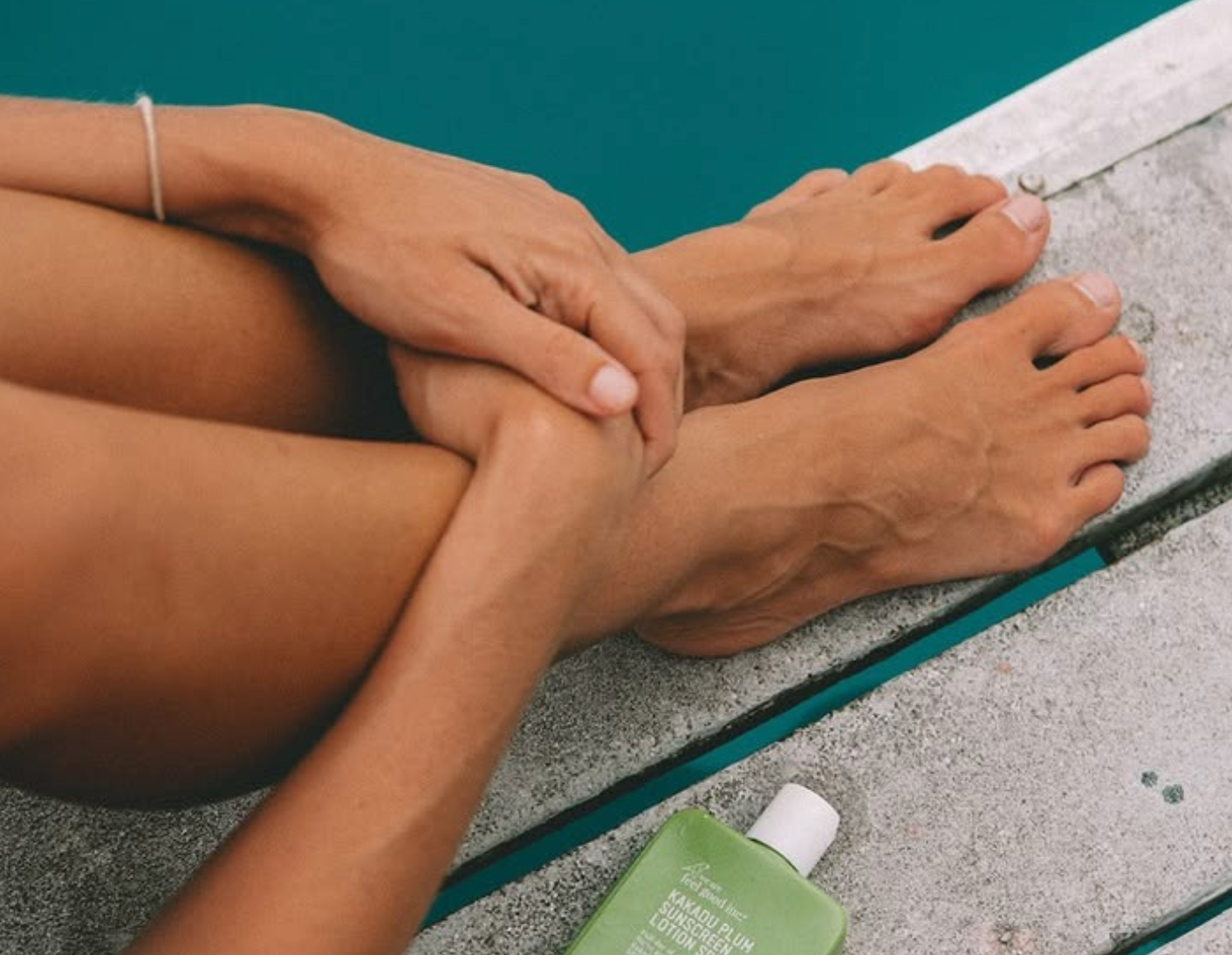
Fortunately, protecting your feet doesn't require much effort. A few simple habits can help reduce your exposure while keeping your feet healthy throughout summer. And don’t forget your feet when applying sunscreen, especially when you’re wearing open shoes or spending time outdoors. What to look for when choosing a sunscreen, including Sun Protection Factor (SPF)


Why do foot infections become more common in summer?


Fungus thrives in warm, damp environments, which makes places such as public swimming pools, communal showers and change rooms ideal conditions for fungal growth.


Walking barefoot through these areas increases the amount of contact your feet have with potentially contaminated surfaces. While you can't control what other people may have walked through before you, you can control how you protect your own feet.


One of the simplest precautions is to wear thongs or water shoes when walking around communal wet areas. Instead of placing your bare feet directly on the floor, footwear creates a barrier between your skin and the surface.


This is particularly important around swimming pools, public showers and change rooms where moisture can linger.


Keep your feet dry after swimming


Wearing footwear in communal areas is only part of the equation. What you do once you leave the pool can also make a difference.


After swimming or showering, take the time to dry your feet thoroughly. Pay particular attention to the spaces between your toes, where moisture can easily become trapped.


It can be tempting to quickly towel off and put your socks or shoes straight back on, especially when you're in a hurry. However, taking an extra moment to properly dry your feet can help prevent them from staying damp for long periods.


If you've been swimming or spending time around water, make drying your feet part of your usual routine.


What about plantar warts?


Plantar warts are another foot problem that can be picked up when walking barefoot in communal areas such as public pools and change rooms.


They are caused by the Human Papillomavirus, commonly known as HPV.

The virus can enter through tiny breaks or imperfections in the skin, meaning your feet don't necessarily need to have an obvious wound for transmission to occur.


Again, wearing thongs or water shoes in communal wet areas can help reduce direct contact between your feet and the surrounding surfaces.


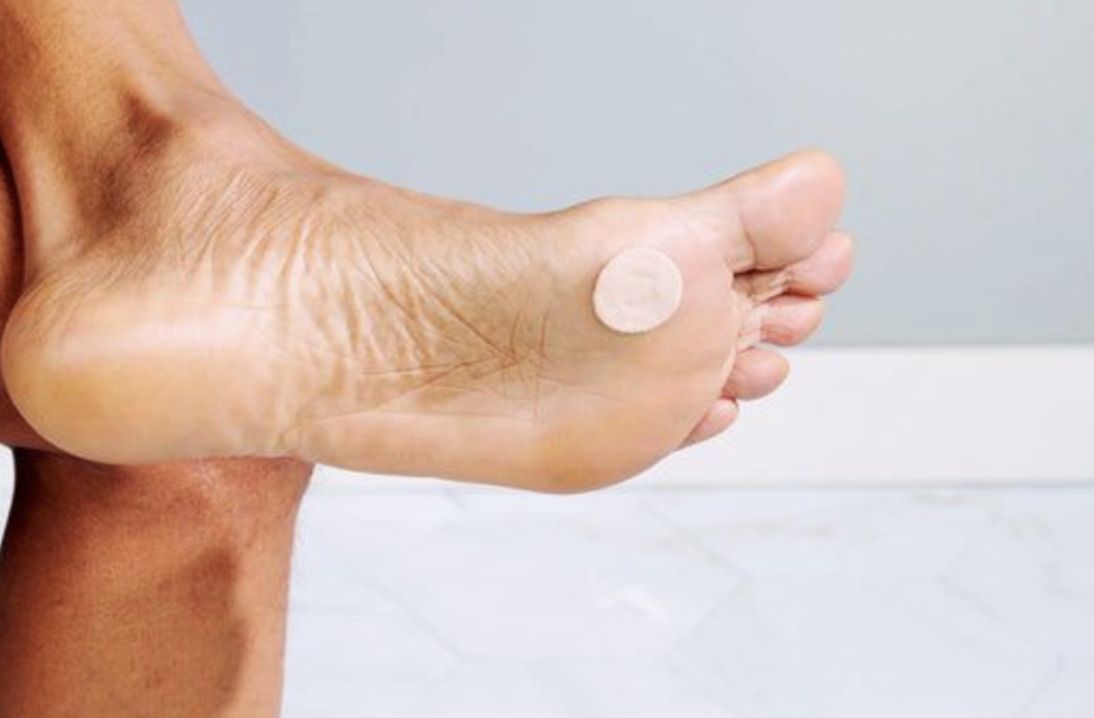
If you or someone in your family already has a plantar wart, there are also steps you can take to reduce the risk of spreading it. Before swimming, cover the wart with a waterproof bandage. This can help reduce the chance of the virus spreading to other people or to another area of your own foot.


It's also important not to pick at or deliberately scratch a wart, as this can potentially contribute to spreading the virus. Learn more about Plantar warts


Don't forget the rest of your summer foot routine


Pool safety is only one part of keeping your feet healthy during summer. Your feet are also exposed to increased moisture, heat, outdoor activity and periods of going barefoot, so it's worth paying attention to any changes.

If you notice a new or persistent skin concern, an area that isn't healing properly or something on your foot that you're unsure about, getting it checked can help you understand what you're dealing with.


This is particularly useful when it comes to warts and suspected fungal infections, as several different foot conditions can look similar at first. A podiatrist can assess the area and help determine the most appropriate treatment.


Make foot protection part of your summer routine


Looking after your feet around pools and communal wet areas doesn't mean you need to avoid going barefoot altogether. It's simply about knowing where your feet are most exposed and taking a few sensible precautions.


Keep a pair of thongs or water shoes handy for pool areas and communal showers, dry your feet thoroughly after swimming and cover any existing plantar warts with a waterproof bandage before getting in the water.


These small habits can make a big difference to your summer foot health, helping you spend less time worrying about your feet and more time enjoying the warmer weather.


If you're concerned about a plantar wart, suspected fungal infection or another change to the skin of your feet, the team at Merewether & New Lambton Podiatry can assess the issue and help you understand your treatment options.
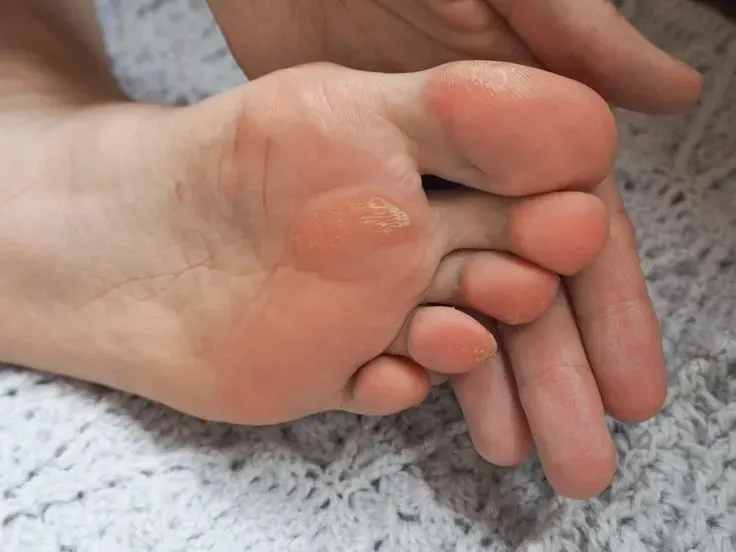
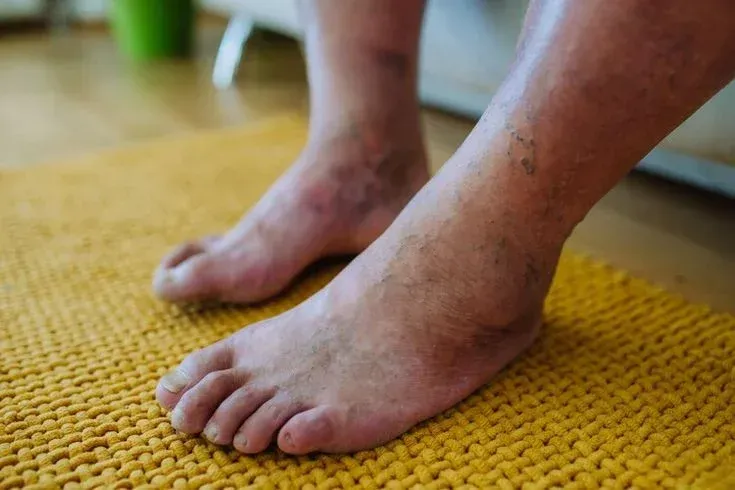
Calluses on the ball of the foot caused by pressure from enclosed footwear during winter.
August 20, 2026
Learn about common winter foot problems, including cracked heels, corns, calluses and chillblains, plus practical tips to keep your feet healthy this winter.
By hey wildandfree • June 18, 2026
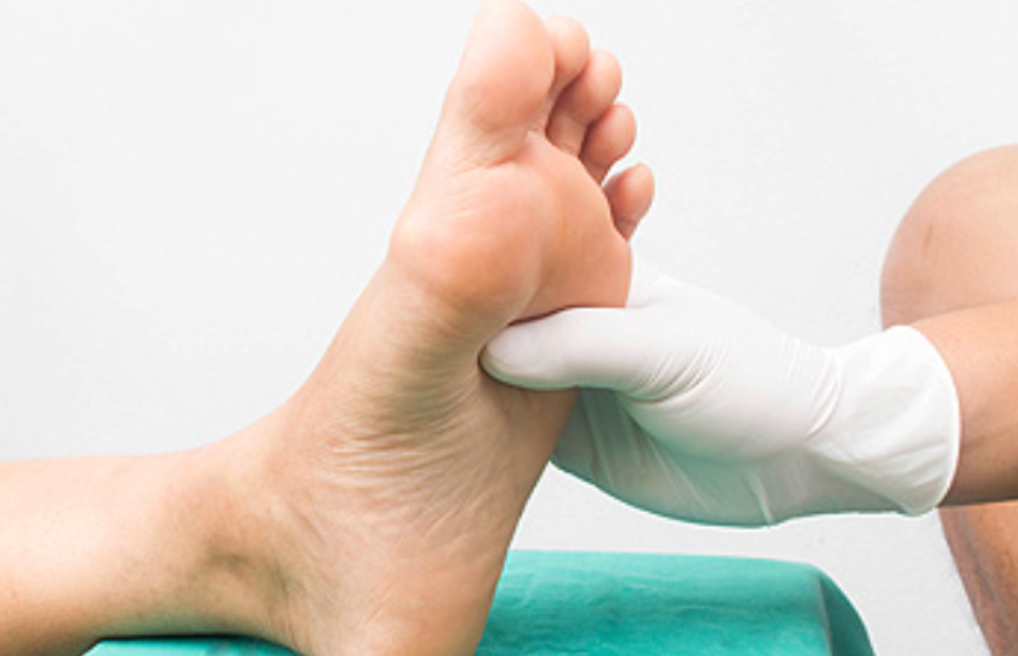
The connection between foot health and diabetes is often underestimated, yet it plays a significant role in overall wellbeing. For people living with diabetes, looking after their feet is an important part of preventing complications and maintaining an active, independent lifestyle. Diabetes can affect many systems within the body, including the nerves and blood vessels that support healthy feet. Over time, elevated blood glucose levels may lead to reduced circulation and nerve damage, increasing the risk of foot-related problems. Understanding how diabetes affects the feet can help individuals take proactive steps to protect their long-term health. This is important to detect problems early and to prevent ulcers and other complications. Read more insights here. How Diabetes Can Affect Your Feet One of the most common complications associated with diabetes is peripheral neuropathy. This condition occurs when high blood sugar levels damage the nerves, often causing numbness, tingling, or reduced sensation in the feet. When feeling is reduced, cuts, blisters, and other injuries may go unnoticed. Without early treatment, minor issues can develop into more serious concerns that require professional care. Circulation can also be affected by diabetes. Reduced blood flow means wounds may heal more slowly, increasing the risk of infection and other complications. This is why understanding the relationship between foot health and diabetes is so important. Common Foot Problems Linked to Diabetes People living with diabetes may be more vulnerable to a range of foot conditions. Dry skin, cracked heels, fungal infections, corns, calluses, and ingrown toenails are all common concerns. Foot ulcers are among the more serious complications that can develop. These wounds often occur when pressure, friction, or injury goes unnoticed and healing is delayed. If left untreated, ulcers can lead to infection and more complex health issues.
diabetes foot care podiatry assessment and circulation testing
By Vesna Nova • May 1, 2026
Discover why diabetes foot care is important, how diabetic foot assessments work, and how early detection helps prevent serious complications.
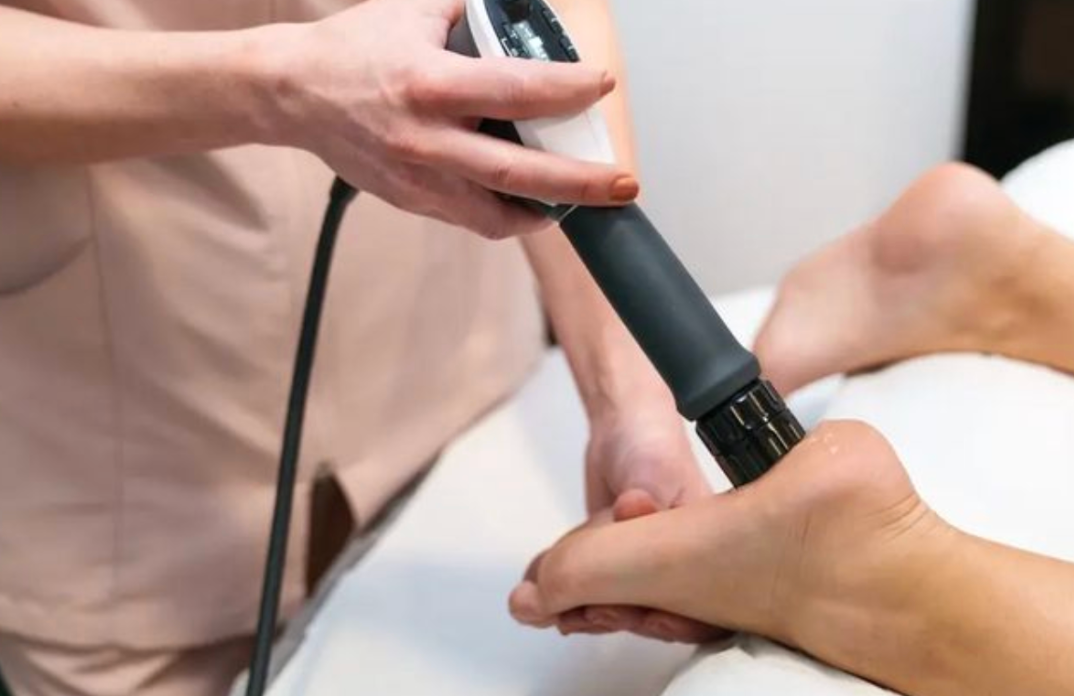
shockwave therapy plantar fasciitis heel pain treatment
By Vesna Nova • April 1, 2026
Discover how shockwave therapy helps treat plantar fasciitis and heel pain. Learn benefits, effectiveness and what to expect.
Best Treatment for Plantar Warts | Which Option Is Right for You?
By Vesna Nova • February 26, 2026
Unsure how to treat a plantar wart? Learn the differences between cryotherapy, microwave therapy, needling and topical treatments.
Plantar Warts on the Feet | Causes, Spread & Prevention
By Vesna Nova • January 18, 2026
Plantar warts are contagious viral lesions caused by the HPV. Learn how they spread, why they persist and how podiatry care can help.
Heel Fissures Explained: Causes, Care & Long-Term Prevention
By Laurence Schuberth • December 11, 2025
Heel fissures occur when the skin around the heel becomes too dry and thick to stretch properly, causing it to split. Although common, they can become painful without the right treatment. Here’s what contributes to them and how you can manage the condition safely. Common Triggers for Heel Fissures Dryness and reduced skin flexibility: Some people naturally produce less moisture in their skin, while others become dehydrated due to weather, lifestyle or ageing. Dry, rigid skin can’t absorb pressure well and is more likely to crack. Footwear choices: Open-backed shoes: like slides, thongs, sandals and even being barefoot force the heel to expand sideways when walking. These forces, combined with warm weather and long hours on your feet, can lead to callus build-up and cracking. Inherited traits: A tendency toward drier, harder skin is often genetic, making certain individuals more vulnerable to fissures. Hormonal factors: Changes in hormones can disrupt the skin’s natural moisture-retaining abilities, increasing roughness.
Summer Foot Care: How to Keep Your Feet Healthy When the Weather Heats Up
By Vesna Nova • November 14, 2025
Summer is the season when foot issues tend to flare. With hot days, increased sweating and more time spent in open, unsupportive footwear, it’s no surprise that blisters, cracked heels and fungal infections become more common. The good news? Most warm-weather foot problems can be prevented with a few proactive steps. The Most Common Summer Foot Conditions Blisters Sweaty skin rubbing against sandals or unlined shoes leads to irritation and fluid-filled blisters. Even short walks can cause them when friction is high. Fungal infections (tinea + fungal nails) Fungi thrive in warm, moist environments, meaning sweaty shoes, pool areas and public change rooms become hotspots in summer. Cracked heels Exposure to air and heat causes the skin to lose moisture quickly. Open-back shoes like thongs and slides also encourage friction and pressure buildup, making the heels hard and prone to splitting. Foot odour Closed shoes + summer sweat = trapped moisture, which causes odour and increases the risk of infection.
Footprints in sand symbolising relief after successful ingrown toenail treatment.
By Laurence Schuberth • October 16, 2025
Learn everything you need to know about ingrown toenails - causes, symptoms, treatment options, and how to prevent them from coming back.
Modern podiatrist clinic setting with a professional environment symbolising expert foot care.
By Laurence Schuberth • October 15, 2025
Visit our trusted podiatrist clinic for expert foot care, pain relief and personalised treatment plans to keep you moving comfortably every day.