When Should You See a Foot Specialist for Dry Skin and Cracked Heels?
Dry feet are something many people experience, particularly around the heels and soles. But how do you know when a simple moisturiser is enough, and when it's time to seek professional advice?
The skin on the soles of our feet is up to four times thicker than the skin on other areas of the body. Combined with the pressure and friction our feet experience every day, this makes them particularly prone to dryness, roughness and hardened skin.
While regular moisturising can help, different skin concerns require different approaches. Understanding what your feet need is an important part of maintaining healthy skin and preventing minor problems from becoming more uncomfortable.
If you're looking for a foot specialist in Newcastle, the podiatrists at New Lambton Podiatry can assess your concerns and recommend appropriate treatment and ongoing foot care.
When Is Dry Skin More Than Just Dry Skin?
Mild dryness is common and can often be managed with regular moisturising. However, there are times when dry skin develops into something that requires closer attention.
Some signs to look out for include:
- Persistent roughness: Skin that remains thick or dry despite regular moisturising.
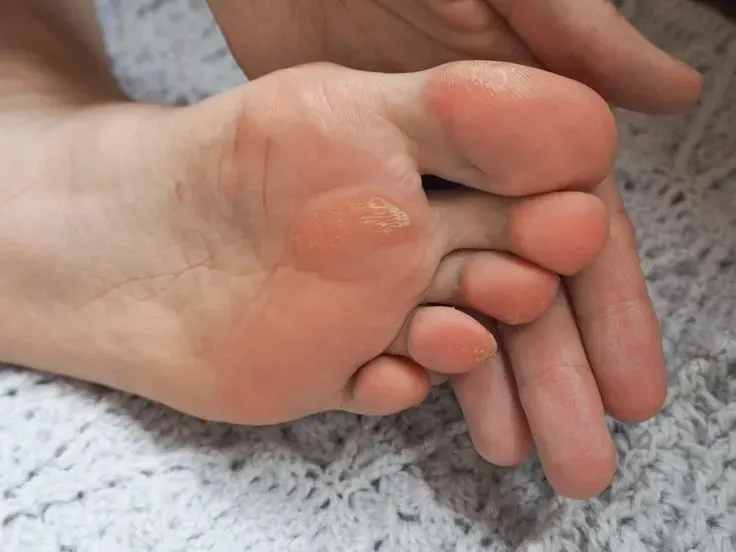
- Callus build-up: Hardened skin that develops in areas exposed to repeated pressure.
- Painful corns: Concentrated areas of thickened skin that cause discomfort when walking or wearing shoes.
- Cracked heels: Splits in the skin that may become painful, particularly when they deepen.
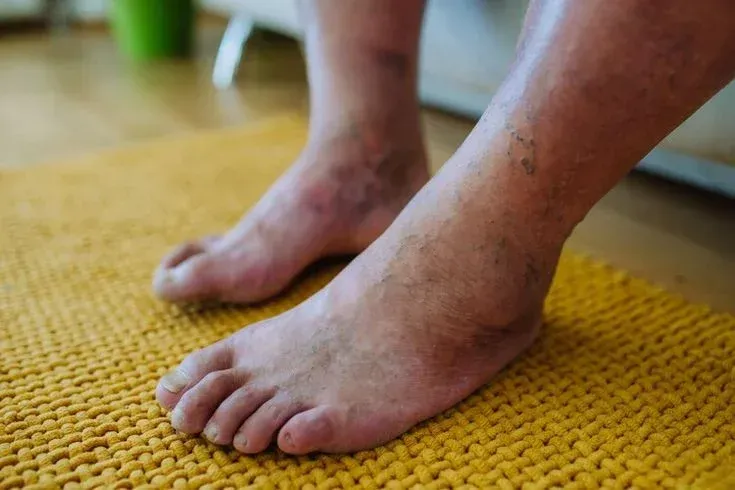
- Changes in skin condition: New redness, swelling, tenderness or wounds that are slow to heal.
These symptoms can indicate that moisturising alone may not be enough.
A podiatrist can assess the condition of your feet and determine whether professional treatment, changes to your footwear or a different skincare routine may help.
Why Choosing the Right Foot Cream Matters
One of the most common ingredients found in specialised foot creams is urea.
Urea occurs naturally in our skin and plays an important role in helping it retain moisture.
In foot care products, urea is used at different concentrations depending on the level of hydration and skin-softening action required.
Lower concentrations are commonly used for moisturising, while higher concentrations can help loosen and soften thickened skin.
At New Lambton Podiatry, we stock four emollients designed for different skin concerns.
Understanding Our In-Clinic Foot Creams
Callusan Extra 10% Urea: For Lightweight Daily Moisturising
For people who dislike the feeling of traditional creams, Callusan Extra provides a convenient alternative.
Its aerosol mousse formulation contains 10% urea, alongside stearic acid and squalene, to help moisturise dry, rough skin.
Unlike heavier products, the mousse absorbs rapidly, meaning you can comfortably put on your socks and shoes shortly after application.
Who is it best for?
Callusan Extra may suit people experiencing dry or rough skin who prefer a lightweight, fast-absorbing product.
It is also an option for suitable patients living with diabetes, although individual foot health should be assessed before choosing a skincare product.
Walker's 15% Urea Foot Cream: For Mild Dryness and Maintenance
If your feet are generally healthy but occasionally become dry or rough, Walker's 15% Urea Foot Cream may be suitable.
Its formulation provides hydration without feeling overly heavy, making it useful for regular foot care.
Who is it best for?
This product is recommended for general dryness, mild roughness and maintenance following professional corn or callus treatment.
Keeping the skin hydrated between podiatry appointments can help maintain softness and comfort.
Walker's 25% Urea Foot Cream: For Cracked Heels and Thickened Skin
When dryness becomes more pronounced, the skin can lose flexibility and become prone to cracking.
Walker's 25% Urea Foot Cream contains a higher concentration of urea to help hydrate and soften dry, thickened areas.
Who is it best for?
This formulation is suited to persistent dryness, thickened calluses and cracked heels.
Regular use, when appropriate, can help maintain skin flexibility and reduce further dryness. However, if cracks are deep, painful or showing signs of infection, professional assessment is important rather than relying on cream alone.
Dermavive Max 40% Urea Foot Cream: For Severe Skin Thickening
Some patients experience substantial callus build-up or areas of very dry, scaling skin that require a more intensive approach.
Dermavive Max contains 40% urea and 2% salicylic acid. Together, these ingredients provide keratolytic action, helping loosen dense, hardened skin while supporting hydration.
The formulation also incorporates aloe vera, tea tree oil and coconut oil.
Who is it best for?
This product may be recommended for very thick calluses, severe dryness, rough scaling skin and certain heel-cracking concerns. Due to its strength, it's important to seek podiatry advice before use, particularly if you have sensitive or damaged skin.
Does a Higher Urea Percentage Mean a Better Foot Cream?
According to DermNet's clinical guide to urea, the appropriate strength and formulation of a urea-based product depend on the skin condition being treated and its severity. This is why a higher concentration isn't necessarily the best option for every patient.
Someone experiencing mild dryness may benefit from a lower-strength moisturiser, while a person with substantial callus build-up may require a stronger product alongside professional treatment.
The most appropriate option depends on your skin condition, medical history and the underlying cause of your symptoms.
This is particularly important for patients with diabetes, reduced foot sensation or circulation concerns, as inappropriate use of strong skin-softening products can create additional risks.
When Should You Book an Appointment With a Podiatrist?
While many cases of mild dryness can be managed at home, professional advice is recommended when skin problems become persistent, painful or difficult to manage.
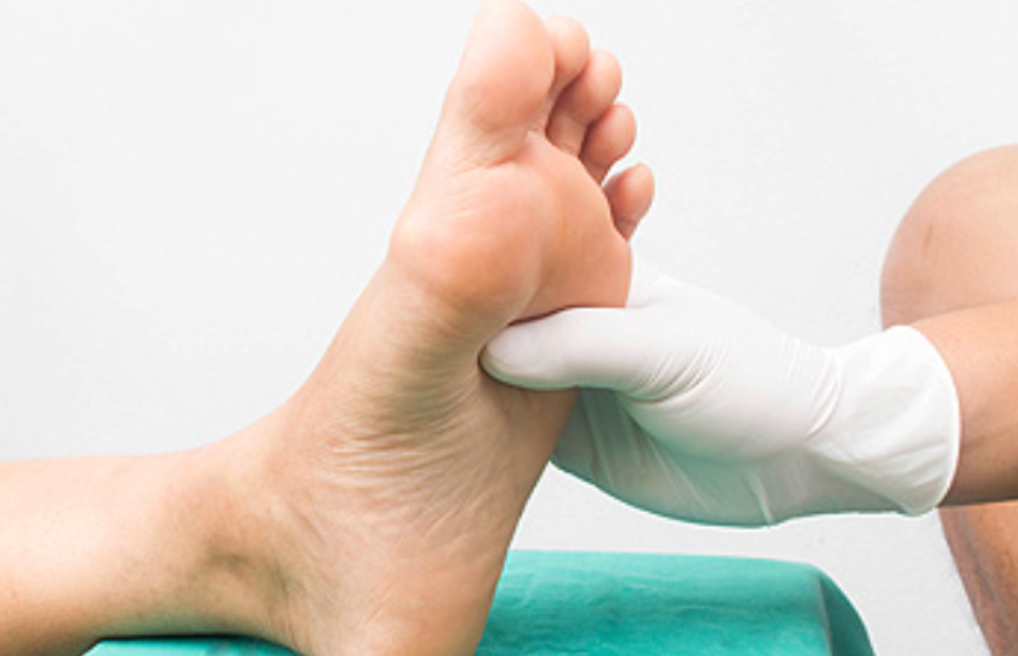
A podiatrist can help by assessing the skin, safely treating excessive callus or corns, identifying contributing pressure points and recommending suitable skincare products.
For people living with diabetes, regular foot assessments are particularly important because changes in circulation or sensation can increase the risk of complications.
If you notice an open wound, spreading redness, swelling or signs of infection, seek prompt medical assessment.
Healthy Skin Starts With Understanding Your Feet
The best foot cream isn't necessarily the strongest or most expensive. It's the one that is appropriate for your skin and the concerns you're trying to manage.
From lightweight moisturising mousses to stronger urea formulations for thickened skin, there are several options available to help maintain healthier feet.
At New Lambton Podiatry, our podiatrists can assess your skin concerns, provide professional treatment where needed and recommend suitable products to support your ongoing foot care.
If you're experiencing persistent dryness, corns, calluses or cracked heels, book an appointment with our New Lambton team for personalised advice and treatment.